linkedin

Fidelity VS Wealthfront

Let’s have a side-by-side comparison of Fidelity vs Wealthfront to find out which one is better. This software comparison between Fidelity and Wealthfront is based on genuine user reviews. Compare software prices, features, support, ease of use, and user reviews to make the best choice between these, and decide whether Fidelity or Wealthfront fits your business.

Quick View

  • Rating & Review
  • Platforms
  • Recommended
  • img 25 Ratings & 20 Reviews
  • icon_ubuntu icon_desktop icon_ios icon_Android icon_mac icon_linux
  • img 10 Ratings & 10 Reviews
  • icon_ubuntu icon_desktop icon_mac icon_linux

Key Differences Between Fidelity and Wealthfront for Investing and Wealth Management

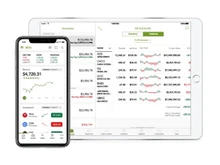
  • Primary Focus and Use Cases: Fidelity is a full-service investment platform offering brokerage accounts, retirement planning, mutual funds, active trading tools, and advisory services. Wealthfront is an automated robo-advisor focused on hands-off investing, offering portfolio management, automated rebalancing, and optimized long-term wealth building.
  • User Experience and Learning Curve: Fidelity provides comprehensive tools for both beginner and advanced investors, including screeners, research reports, and trading platforms that may require some time to explore. Wealthfront offers a simple, intuitive experience where users select goals and risk preferences while the platform manages the portfolio automatically.
  • Features and Functionality: Fidelity supports self-directed trading in stocks, ETFs, options, mutual funds, bonds, and international equities along with retirement planning tools and advisory options. Wealthfront offers automated portfolio creation, tax-loss harvesting, goal-based planning, and passive investment management using diversified ETF portfolios.
  • Customization and Control: Fidelity offers high flexibility, allowing users to build custom portfolios, trade actively, and choose from a wide selection of research tools. Wealthfront emphasizes automation and minimal manual control, with limited customization beyond adjusting risk levels, goals, or adding specific thematic portfolios.
  • Integrations and Ecosystem: Fidelity integrates with a broad range of financial planning tools, retirement accounts, banking services, and advanced trading platforms as part of its full-service ecosystem. Wealthfront integrates automated banking features such as high-yield cash accounts, savings automations, and portfolio management tools, focusing on a streamlined, hands-off wealth-building system rather than active trading.
  • Ideal Audience and Application: Fidelity is ideal for investors seeking a full suite of investment options, research tools, and the ability to manage portfolios actively. Wealthfront is best suited for users who prefer automated investing, long-term passive strategies, and minimal daily involvement in portfolio decisions.

Pricing

img

Price Plans

Price on Request

Get customise plan according to your business requirement

Get Now

Price on Request

Get customise plan according to your business requirement

Get Now

  • Free Trial
  • Lifetime Plan
  • img Free Trial
  • img
  • img Free Trial
  • img

Ratings

img

Overall ratings

4.3

25 Ratings & 20 Reviews

87% Likelihood to Recommend

4.5

10 Ratings & 10 Reviews

90% Likelihood to Recommend

Pros & Cons

img

Pros

img

Fidelity’s mutual fund selection (including zero-expense-ratio index funds) is...Read more - Dharmendra Kumar Nov 12, 2025

img

Many reviews highlight Fidelity’s strong customer-service reputation, reliabil...Read more - Yasir Osam Oct 28, 2025

img

Wealthfront is widely regarded as one of the best robo-advisors: low fees, stron...Read more - ankilta Oct 31, 2025

img

The robo-advisor model suits younger or smaller-balance investors. - Rodney Duncan Sep 20, 2025

Cons

img

For ultra-short-term trading or futures, you might want a specialist broker. - Dharmendra Kumar Nov 12, 2025

img

Slow verification or hold issues in isolated cases. - Yasir Osam Oct 28, 2025

img

The lack of human personal financial advice and some limitations (e.g., no very ...Read more - ankilta Oct 31, 2025

img

If you have a very large portfolio or complex needs, you might outgrow some of t...Read more - Rodney Duncan Sep 20, 2025

Reviews

img

Verified customer reviews

Fantastic for long-term investing and mutual funds

Dharmendra Kumar Nov 12, 2025

Customer service and reliability matter this checks the box

Yasir Osam Oct 28, 2025

Solid choice for my needs, but not for everyone

ankilta Oct 31, 2025

Good value for younger investors but might be simpler for big portfolios

Rodney Duncan Sep 20, 2025

Best Use for

img

Business Size:

  • img Individual
  • img 2-50 Employees
  • img 51-250 Employees
  • img 250-500 Employees
  • img 500-1000 Employees
  • img More than 1000+ Employees
  • img Individual
  • img 2-50 Employees
  • img 51-250 Employees
  • img 250-500 Employees
  • img 500-1000 Employees
  • img More than 1000+ Employees

Business Type:

  • img Small Business
  • img Startups
  • img Medium Business
  • img Enterprise
  • img SMBs
  • img SMEs
  • img MSMBs
  • img MSMEs
  • img Freelancers
  • img Individual
  • img Small Business
  • img Startups
  • img Medium Business
  • img Enterprise
  • img SMBs
  • img SMEs
  • img MSMBs
  • img MSMEs
  • img Freelancers
  • img Individual

Industries:

  • imgAll Industries
  • imgAll Industries

Fidelity vs Wealthfront: Comparision Video

img
img
img
img

Features

img

Core Features

  • img Portfolio Management
  • img Market Data
  • img Watchlist
  • img Charting Tools
  • img Order Control
  • img Order Execution
  • img Portfolio Management
  • img Market Data
  • img Watchlist
  • img Charting Tools
  • img Order Control
  • img Order Execution

Order Execution

  • img Limit Order
  • img Market Order
  • img Stop (Loss) Order
  • img Stop Limit Orders
  • img Trailing Stop Order
  • img Limit Order
  • img Market Order
  • img Stop (Loss) Order
  • img Stop Limit Orders
  • img Trailing Stop Order

Research and Analysis

  • img Technical Analysis
  • img Fundamental Analysis
  • img Pattern Recognition
  • img Scanning Tools
  • img Backtesting and Optimization
  • img Smart drawing tools
  • img Technical Analysis
  • img Fundamental Analysis
  • img Pattern Recognition
  • img Scanning Tools
  • img Backtesting and Optimization
  • img Smart drawing tools

Trading Options

  • img Mutual Funds
  • img Paper Trading
  • img Intraday Trading
  • img Algorithm Trading
  • img Options Trading
  • img Futures Trading
  • img Forex Trading
  • img Crypto Trading
  • img Automatic Trading
  • img Margin Trading (MTF)
  • img Mutual Funds
  • img Paper Trading
  • img Intraday Trading
  • img Algorithm Trading
  • img Options Trading
  • img Futures Trading
  • img Forex Trading
  • img Crypto Trading
  • img Automatic Trading
  • img Margin Trading (MTF)

Reporting & Analytics

  • img Dashboards
  • img Automated Reports
  • img Report Customization
  • img P&L Report
  • img Contract Note
  • img Financial Transaction Report (CashLedger)
  • img Dashboards
  • img Automated Reports
  • img Report Customization
  • img P&L Report
  • img Contract Note
  • img Financial Transaction Report (CashLedger)

Account Management

  • img Demat Account Creation
  • img Platform Migration
  • img Multi-Factor Authentication (MFA)
  • img Customizable User Interface
  • img Demat Account Creation
  • img Platform Migration
  • img Multi-Factor Authentication (MFA)
  • img Customizable User Interface

Integrations

  • img API Integration
  • img Financial Tools Integration
  • img API Integration
  • img Financial Tools Integration

Alerts & Notification

  • img Price Alert
  • img Real Time Market Updates
  • img News Alerts
  • img Volume Alerts
  • img Price Alert
  • img Real Time Market Updates
  • img News Alerts
  • img Volume Alerts

Specifications

img

Deployment

  • img Web based
  • img On Premises
  • img Web based
  • img On Premises

Device Supported

  • img Desktop
  • img Mobile
  • img iPad
  • img Tablet
  • img Desktop
  • img Mobile
  • img iPad
  • img Tablet

Supported Platforms

  • img Windows
  • img Mac OS
  • img Android
  • img iOS
  • img Linux
  • img Ubuntu
  • img Windows
  • img Mac OS
  • img Android
  • img iOS
  • img Linux
  • img Ubuntu

Languages support

  • imgEnglish
  • imgEnglish

Compliance Regulations:

  • img COPPA
  • img HIPAA
  • img CCPA
  • img CPRA
  • img ECPA
  • img COPPA
  • img HIPAA
  • img CCPA
  • img CPRA
  • img ECPA

Alternatives

img

Top Alternative Products

TradeZero

TradeZero


Lightspeed Trading

Lightspeed Trading


Interactive Brokers

Interactive Brokers


Tastytrade

Tastytrade


See all Fidelity alternatives img
TradeZero

TradeZero


Lightspeed Trading

Lightspeed Trading


Interactive Brokers

Interactive Brokers


Tastytrade

Tastytrade


See all Wealthfront alternatives img

Send this comparison to my inbox

img Get directly in your email inbox on your Whatsapp

Similar Comparison

Fidelity vs Wealthfront Comparison FAQs

Software questions,
answered

Fidelity lets you choose and manage your investments, while Wealthfront automatically invests for you using a robo-advisor model.

Fidelity is better for active investors who want control. Wealthfront is better for hands-off investors who prefer automation.

Fidelity offers $0 commissions on many trades. Wealthfront charges about 0.25% annually to manage your portfolio automatically.

Beginners who want automation may prefer Wealthfront. Beginners who want to learn investing and choose stocks might prefer Fidelity.

Yes. Many U.S. investors use Fidelity for active trading and Wealthfront for long-term automated investing.

Some switch when they want a simpler, automated solution instead of managing portfolios manually.

No, Wealthfront is fully automated and does not offer personal financial advisors.

A Quick Comparison Between Fidelity vs Wealthfront

Choosing any software for your organisation is a crucial decision. As a decision maker, you must ensure that the software you choose addresses the pain points of your teams and reaps maximum benefit for you.

  • Fidelity vs Wealthfront: Which Offers the Best Investment Solutions?
  • Fidelity vs Wealthfront: Comparison Table
  • Key Difference between Fidelity and Wealthfront
  • Fidelity Pricing & Fees
  • Wealthfront Pricing & Fees
  • Fidelity vs Wealthfront: Investing Style
  • Wealthfront and Fidelity: Tools & Research
  • Fidelity or Wealthfront: Account Types
  • Wealthfront vs Fidelity: Portfolio Management and Tax Efficiency
  • Fidelity vs Wealthfront: Platform Usability
  • When to Choose Fidelity or Wealthfront?
  • Final Verdict: Fidelity or Wealthfront

Fidelity vs Wealthfront: Which Offers the Best Investment Solutions?

Fidelity and Wealthfront are two popular investing platforms in the U.S., but they work very differently. Fidelity is a full service brokerage in which you will be able to purchase stocks, ETFs, mutual funds and operate a variety of different accounts. Wealthfront is an automatic robo-advisor that builds and manages portfolios.

Fidelity will better fit you in case you like to select your own investments, and you desire to have numerous tools. Wealthfront is simpler in case you want to invest with minimal effort, automatically and with low maintenance. But, which one should you choose?

We will compare the two platforms in terms of important criteria to help you choose the trading software that fits well in your needs.

Fidelity vs Wealthfront: Comparison Table

Feature Fidelity Wealthfront
Investment Style Self-directed brokerage + optional advisor support Robo-advisor automated portfolios
Account Types Brokerage, IRAs, trust accounts, retirement, etc. Taxable accounts, IRAs, limited account types
Trading & Asset Choice Wide selection: stocks, ETFs, mutual funds, options, many account types ETF-based portfolios, automated rebalancing, fewer self-trading options
Fee Structure $0 on many trades for stocks/ETFs; advisory services may cost extra Flat advisory model around 0.25% of assets under management.
Minimums Low or $0 for many services $500 minimum to begin robo portfolios
Support Phone, chat, and in-person help Online support only
Best For Active investors, those wanting full service and flexibility Passive investors who want automation and minimal effort

Key Difference between Fidelity and Wealthfront

  • Control vs Automation: Fidelity offers the option of picking your own investments; Wealthfront constructs an automatic portfolio.
  • Types of accounts: Fidelity has a variety of account types; Wealthfront only has taxable accounts and IRAs.
  • Fees: Fidelity does not charge commissions on a variety of trades; Wealthfront charges a small fee each year to manage your funds.
  • Tools: Fidelity results in the development of research tools; Wealthfront is easy goal-based planning.

Fidelity Pricing & Fees

  • $0 commissions on online U.S. stock and ETF trades.
  • Options trades: $0 commission + $0.65 per contract.
  • Bonds & CDs: New-issue U.S. Treasuries has $0 fee and secondary market bonds costs around $1 per bond
  • No account minimums and no maintenance fees for standard brokerage accounts.
  • Margin rates: competitive and tier-based; starting around 7.75% depending on balance.
  • Mutual funds include no-transaction-fee options and Fidelity's own zero-expense-ratio funds

Wealthfront Pricing & Fees

  • Flat advisory fee: 0.25% annually on Automated Investing portfolios.
  • No trading commissions, no account opening fee, and no account transfer fees.
  • Portfolio-specific fees: S&P 500 Direct Indexing has 0.09% annual fees and Nasdaq-100 Direct Indexing has 0.12% annual charges
  • Cash Account: No advisory fee, earns interest based on current APY.
  • Stock Investing Account: No advisory fee; ETF expense ratios still apply.
  • Minimum to start: Typically $500 for automated portfolios.

Fidelity vs Wealthfront: Investing Style

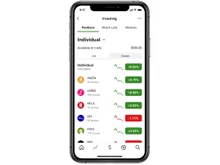
Fidelity is the best for investors who want to manage their investments themselves. They can select individual stocks, ETFs, mutual funds or bonds and create their own strategy. On the other hand, Wealthfront does just the opposite. Users do not have to select investments by themselves, instead they just have to respond to a few questions and the platform will design a diversified portfolio accordingly. It also rebalances investment automatically so that users do not have to manage anything.

Wealthfront and Fidelity: Tools & Research

Fidelity offers advanced charts, expert market research, stock screeners, and educational content. These tools help users to analyze businesses and to make wiser investment decisions. Wealthfront is not about the research tools but is about automation. The platform focuses more on goal tracking and easy investment planning than profound analysis.

Fidelity or Wealthfront: Account Types

Fidelity provides numerous types of accounts, and that is why it can be used in a variety of needs. You can open a brokerage account, Roth IRA, traditional IRA, 401(k) rollover, HSA, 529 college savings plan and even trust accounts. Wealthfront has fewer types of accounts and is largely limited to the taxable investment accounts and IRA.

Wealthfront vs Fidelity: Portfolio Management and Tax Efficiency

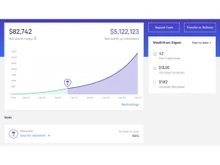
Wealthfront is a clear winner when it comes to portfolio management and tax efficiency. It offers features like daily tax-loss harvesting in taxable holdings and automatic rebalancing of drift between target allocations. While the portfolio management tools are also available in Fidelity, some of these functions might need some higher-level services or manual configuration.

Fidelity vs Wealthfront: Platform Usability

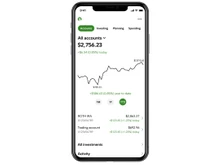
Wealthfront is superior due to its simple and goal-oriented approach. Its application and web interface are focused on automating the investment process. It offers a well-designed and easy to use platform.

Fidelity is very functional and it is loaded with tools which makes it challenging to learn the platform properly. The vast amount of options might be somewhat overwhelming to newer investors on smaller screens.

When to Choose Fidelity or Wealthfront?

Use Case Choose Fidelity if… Choose Wealthfront if…
You want control over your investments You want to pick stocks, ETFs, mutual funds, or bonds yourself. You prefer an automated portfolio managed for you.
You need multiple account types You need 529 plans, HSAs, trust accounts, or advanced retirement options. You only need taxable accounts or IRAs.
You like strong research tools You rely on charts, reports, and analysis for making decisions. You don’t need research tools and prefer simple goal-based planning.
You’re an active investor You want to trade often and customize your strategy. You want a passive, long-term approach with minimal effort.
You want human or in-person support You value phone, chat, and branch help. You’re comfortable with online-only assistance.
You prefer automation - You want daily tax-loss harvesting, auto-rebalancing, and hands-off investing.
You care about cost efficiency You want $0 commissions for trading. You are okay paying a small 0.25% fee for automation.

Final Verdict: Fidelity or Wealthfront

There you have it! The comparison between Fidelity and Wealthfront. Fidelity is great for investors who want flexibility, research tools, and full control over their portfolio. Wealthfront is ideal for anyone who prefers automated, long-term investing with minimal effort. Your best choice depends on whether you want hands-on trading or a simple, hands-off approach.

If you are still confused, reach out to our software experts or the Techjockey Team for a free consultation and personalized recommendation.

Add Software to Compare

close

Recommended Products

20,000+ Software Listed 20,000+ Software Listed

Best Price Guaranteed Unbiased Comparison

Free Expert
                        Consultation Read Authentic Reviews

2M+ Happy Customers 500,000+ Monthly Users