March 11, 2026
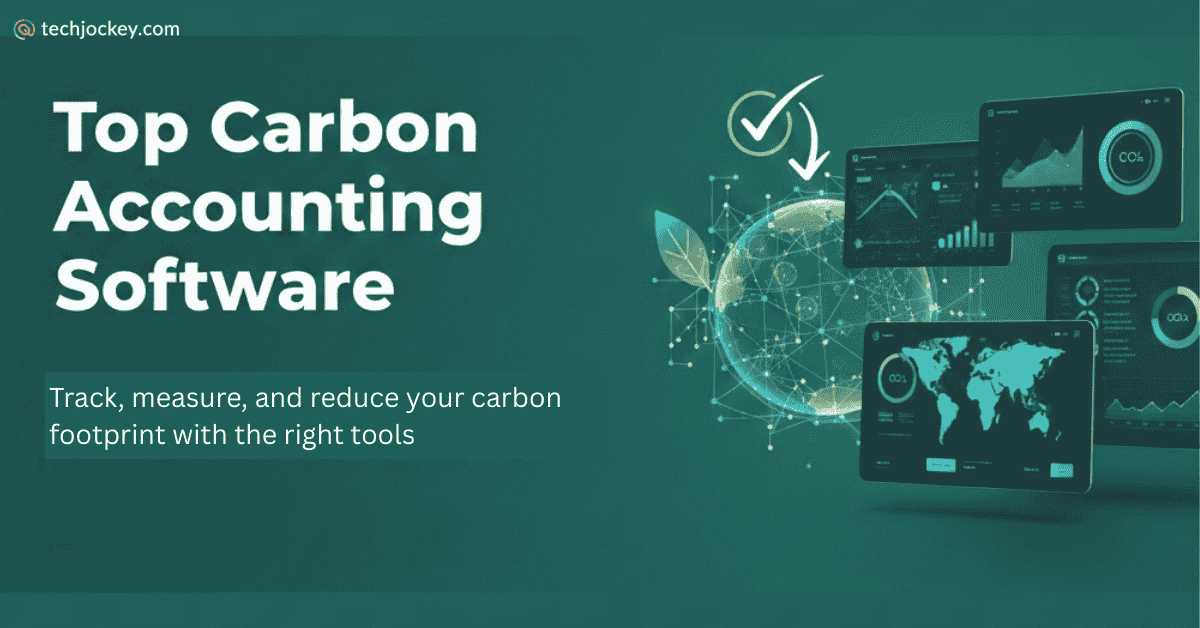
Carbon accounting is becoming mandatory for businesses, yet most organizations continue to find it difficult to turn sustainability objectives into reality. Conventional carbon accounting tends to be complicated, lengthy, and subject to errors.
Businesses find difficulty in measuring emissions, particularly Scope 3 within large supply chains. And this is due to the manual process of collecting information through numerous sources, inconsistency in supplier reporting, and fragmented tools. The risk of non-compliance continues to increase as regulations increase and the reporting standards change.
In this blog, we will discuss these main challenges and how they can be addressed using modern carbon accounting software so you can easily monitor your emissions and get a step closer to net-zero.
Carbon accounting software assists businesses in measuring and controlling their greenhouse gas emissions across operations and the value chain. These tools generally follow the Greenhouse Gas Protocol and are used to monitor emissions across Scope 1, Scope 2, and Scope 3.
The software replaces spreadsheets by simplifying reporting, automating data collection, and minimizing errors. It transforms raw activity data into transparent insights that aid in compliance, targeting, and emission-reduction planning.
To put it in a nutshell, carbon accounting platforms give us the starting point for continual climate action – assisting companies to track their progress in real-time and make more intelligent sustainability decisions.
Here is a list of 9 chosen carbon accounting software that could be used:
Salesforce’s Net Zero Cloud is the first carbon tracking software on the list that manages your sustainability goals in one place. It’s built on Salesforce’s familiar platform, so you can easily work with your existing data and workflows. You can monitor your progress toward net-zero targets and keep all your ESG information organized.
Key features of Salesforce’s Net Zero Cloud:
Pros
Cons
Salesforce Net Zero Cloud Pricing and Plans: Pricing is available on request. You can contact the Techjockey team for pricing.
Microsoft Sustainability Cloud helps you record, manage, and report your environmental impact across your operations. It brings your sustainability data together so you can see your organization’s footprint more clearly and make data-driven decisions. If you already use Microsoft tools, it fits smoothly into your existing ecosystem.
Key features of Microsoft Sustainability Cloud:
Pros
Cons
Microsoft Sustainability Cloud Pricing and Plans:
| Plan | Price |
|---|---|
| MSM Essentials | USD 4,000 per tenant/month |
| MSM Premium | USD 12,000 per tenant/month |
IBM’s Environmental Intelligence Suite helps you monitor climate risks and manage environmental data across your organization. It is useful if you want to combine risk analysis with emissions management and broader sustainability insights. The platform is designed for organizations that handle large volumes of operational and environmental data.
Key features of IBM Environmental Intelligence Suite:
Pros
Cons
IBM Environmental Intelligence Suite Pricing and Plans:
Plans available:
Pricing is available on request. You can contact the Techjockey team for pricing.
Persefoni is a carbon accounting platform designed for organizations that need accurate, audit-ready disclosures. It helps you calculate and manage emissions across all three scopes and simplifies compliance with global reporting standards. It’s well-suited if you handle complex datasets or operate in regulated markets.
Key features of Persefoni:
Pros
Cons
Persefoni Pricing and Plans:
| Plan | Price |
|---|---|
| Pro Plan | Free |
| Advanced Plan | Pricing on request |
Greenly is designed mainly for small and medium businesses that want a simple way to measure and manage their carbon footprint. It helps you automate emissions tracking and connects with popular business tools you already use. If you are just getting started with sustainability, it gives you straightforward guidance and expert support.

Greetly
Starting Price
$ 99.00
Key features of Greenly:
Pros
Cons
Greenly Pricing and Plans:
GHG Assessment Plans
Pricing is available on request. You can contact the Techjockey team for pricing.
SINAI Technologies is built for companies that want to focus deeply on decarbonization planning. It helps you understand where your emissions come from and plan how to reduce them over time. The platform is best suited if you’re already committed to a long-term climate strategy and want detailed modeling support.
SINAI
Starting Price
Price on Request
Key features of SINAI Technologies
Pros
Cons
SINAI Technologies Pricing and Plans:Pricing is available on request.
Sphera is an ESG and risk management platform that helps you centralise environmental reporting and safety data in one system. It is designed for organizations that want to manage carbon emissions alongside broader risk, safety, and compliance requirements. If you operate in highly regulated industries, Sphera can help you stay compliant while improving sustainability performance.
Key features of Sphera
Pros
Cons
Sphera Pricing and Plans: Custom pricing is available on request.
Plan A is a carbon management platform that helps you measure emissions and focus on practical decarbonization. It supports you with certified tools, expert assistance, and compliance with major global standards. The platform is ideal if you want a personalized approach to reaching net-zero targets.
Key features of Plan A:
Pros
Cons
Plan A Pricing and Plans: Pricing is available on request. You can contact the Techjockey team for pricing.
Workiva is best known for ESG reporting, and now also supports carbon tracking and disclosure. It helps you bring sustainability, financial, and operational data together so you can prepare accurate reports. If you work with multiple frameworks and need audit-ready documentation, Workiva can simplify your reporting process.

Workiva
Starting Price
Price on Request
Key features of Workiva
Pros
Cons
Workiva Pricing and Plans: Pricing is available on request.
Conclusion
The selection of the appropriate carbon accounting software depends on your stage of the sustainability journey. In case you prefer deep decarbonization planning, tools like SINAI, Plan A, or Persefoni can be of use. When you want to report on a more enterprise-level, Salesforce, Microsoft, IBM, Sphera, and Workiva can assist you in combining the data on emissions to a wider set of compliance requirements.
The right solution must enable you to measure emissions, follow progress, and confidently approach your net-zero targets, not only report figures, but reduce them in reality.


Explore Topics

Consult with Our Techjockey Expert
Connect for fast and scalable software delivery, corporation plans, advanced security, and much more.
Compare Popular Software

Get the latest Techjockey US Blog Updates!
Subscribe to get the first notified about tech updates directly in your inbox.

 Previous