Code Obfuscation Software: Benefits, How It Works & Top Tools



Building software requires time, efforts, and money in equal measure. But if the same software gets compromised or its code is exposed to the hackers, things can go wrong within seconds.
This is why many developers today add an extra layer of protection to their software before putting it out for public use. One of the most effective ways to do this is by using code obfuscation software. For the unversed, a code obfuscation tool is an application security software designed to make code difficult for outsiders to crack, reverse engineer, or exploit.
Widely used for mobile apps, desktop programs, and enterprise applications for the very same reason, the software has become a staple in software development and security. Let’s look at what code obfuscation software is, its working, and some of the best tools available today.
What is Code Obfuscation Software?
Code obfuscation software is a security tool that makes source code difficult for humans to read and understand without affecting how the application works. It changes the code’s structure, names, and logic into a more complex form while keeping its functionality intact.
Developers use code obfuscators to protect their applications from reverse engineering, code theft, tampering, and unauthorized modifications. Even if someone gains access to the software, understanding the underlying code becomes much harder. This acts as a shield for intellectual property and sensitive business logic.
How Does Code Obfuscation Software Work?
Code obfuscation software works by transforming readable source code into a version that is much harder to understand. The application continues to function normally, but the code behind it becomes confusing for anyone trying to inspect or reverse engineer it.
One common obfuscation technique is renaming variables, functions, and classes. As part of which, meaningful names are replaced with random characters, making it difficult to tell what each part of the code does.
The software can also change the structure of the code without changing its behaviour. It reorganizes instructions and logic so that the code becomes harder to follow. Some code obfuscation software tools hide strings, encrypt sensitive data, or conceal important business logic. This prevents attackers from easily finding valuable information within the application.
Many tools also add anti-tampering and anti-debugging features. These features make it harder for attackers to modify the software or analyze it using debugging tools.
Benefits of Code Obfuscation Software
Code obfuscation tools offer several advantages for developers looking to strengthen application security. Some of them are listed below for your understanding…
- Protects Intellectual Property: Developers invest a good amount of time and effort in building software. Code obfuscators help protect that work by making the code difficult to understand and copy. This reduces the risk of competitors or attackers stealing valuable code.
- Prevents Reverse Engineering: Attackers often try to analyze applications to understand how they work. Code obfuscation software makes this process much more difficult by hiding the logic and structure of the code. As a result, sensitive information stays better protected.
- Reduces the Risk of Code Tampering: Cybercriminals may attempt to modify an application to bypass security checks or add malicious code. Obfuscated code is harder to alter, making unauthorized changes more challenging.
- Protects Sensitive Business Logic: Many applications contain unique algorithms, calculations, or workflows that give businesses a competitive advantage. This software helps keep this information hidden from unauthorized users.
- Enhances Application Security: While it is not a replacement for other security measures, code obfuscation adds an additional protective layer to the software in question. It creates additional obstacles for attackers and makes software harder to exploit.
- Ease in Software Distribution: Whether an application is released to customers, partners, or employees, there is always a risk that someone could inspect the code. Code obfuscators help reduce that risk and allow developers to distribute applications without much to worry about.
List of 4 Best Code Obfuscation Software in 2026
With so many options available, choosing the right code obfuscation software can be challenging. To make the decision easier, we have compiled a list of 4 popular tools that help protect applications from code theft like no other. Find a tabular comparison of the same below…
| Software | Ideal For | Standout Advantage |
|---|---|---|
| PreEmptive Dotfuscator | .NET, C#, Xamarin, and .NET MAUI applications | Built-in runtime protection for .NET apps |
| ProGuard | Java and Android applications | Free, lightweight, and easy to implement |
| Dash0 | Enterprise Java, Kotlin, and Android applications | Advanced protection against reverse engineering |
| Jscrambler | JavaScript, Node.js, and web applications | Purpose-built for client-side JavaScript security |
Now, let’s dive into the workings of each of the above-listed obfuscation tools to help you find the best fit for your needs…
1. PreEmptive Dotfuscator
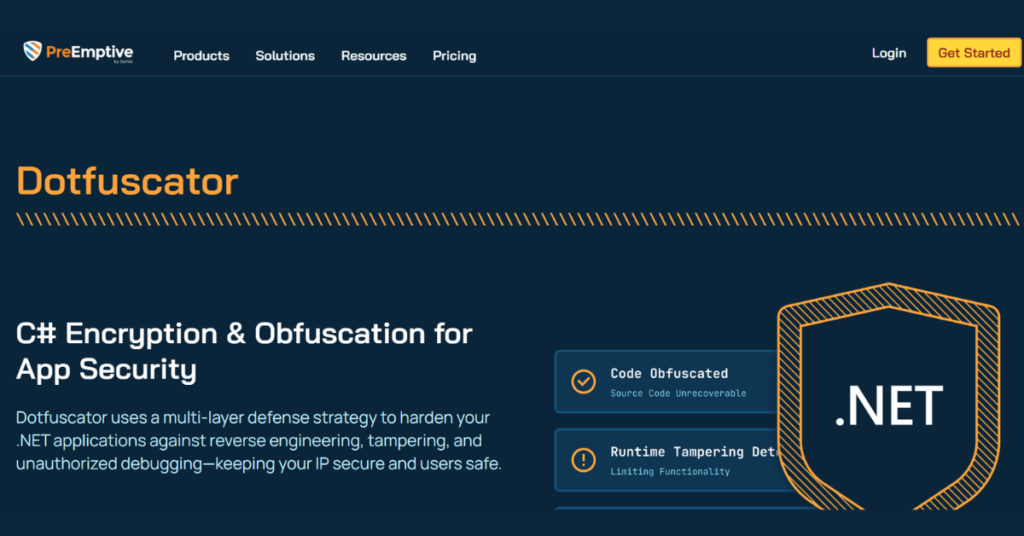
PreEmptive Dotfuscator is a code obfuscation tool designed mainly for .NET applications. It helps developers protect their software by making the code difficult to read, analyze, or modify.
Along with obfuscation, it includes security features that can detect tampering and debugging attempts. This makes it a popular choice for organizations that want to secure business applications, desktop software, and mobile apps built on the .NET platform.
Key Features of PreEmptive Dotfuscator:
- Protects .NET applications against reverse engineering attacks
- Secures source code through advanced obfuscation techniques
- Applies patented renaming technology for code protection
- Strengthens applications with control flow obfuscation methods
- Encrypts sensitive strings to prevent code exposure
- Detects unauthorized debugging during application runtime
- Prevents application tampering through integrity checks
- Supports watermarking for intellectual property protection
- Integrates seamlessly with Visual Studio build processes
- Simplifies deployment through automated build integrations
Pro and cons of PreEmptive Dotfuscator:
Pros
- Reduces risks of code theft and cloning
- Enhances application security with runtime defenses
- Improves protection through multiple hardening techniques
- Defends proprietary algorithms from unauthorized access
- Supports enterprise-grade security for commercial applications
- Enables automated protection within development workflows
- Delivers strong compatibility across Microsoft ecosystems
Cons
- Requires technical expertise for optimal configuration
- Limits advanced protection features to paid editions
- Creates additional processing during build operations
- Depends on commercial licensing for full capabilities
PreEmptive Dotfuscator Pricing & Plans: Price on request
2. ProGuard
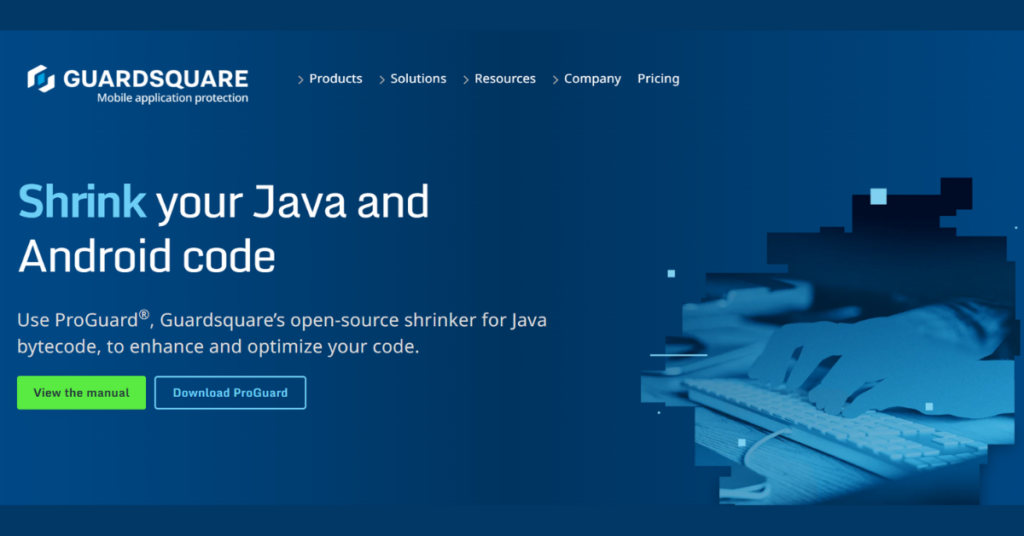
ProGuard is one of the most widely used code obfuscation software solutions for Java and Android applications. It reduces application size, removes unused code, and makes the remaining code harder to understand.
Since it is open-source and easy to integrate into development workflows, many Android developers use it as their first layer of code protection. It is particularly useful for projects that need basic security without adding significant cost.
Key Features of ProGuard:
- Shrinks Java and Kotlin applications efficiently
- Optimizes bytecode to improve application performance
- Obfuscates code to reduce reverse engineering risks
- Removes unused classes, methods, and attributes
- Strengthens application protection through code hardening
- Simplifies build outputs with smaller package sizes
- Supports Android optimization for mobile applications
- Processes Java bytecode through command-line tooling
- Enables configurable rules for tailored code protection
- Adds preverification metadata for Java compatibility
Pro and cons of ProGuard:
Pros
- Delivers strong code obfuscation without licensing costs
- Improves application performance through bytecode optimization
- Reduces app sizes for faster deployment
- Supports both Java and Kotlin development
- Integrates smoothly with popular build environments
- Provides flexible configuration for advanced use cases
- Maintains active open-source community support
Cons
- Requires configuration expertise for optimal results
- Presents a learning curve for beginners
- Limits protection compared to advanced commercial solutions
- Demands rule customization for complex applications
- Creates debugging challenges after code obfuscation
- Focuses primarily on Java-based environments
ProGuard Pricing & Plans: ProGuard is a free and open-source code obfuscation software.
3. Dash0

Dash0 is a code protection solution built for Java, Kotlin, and Android applications. It goes beyond basic obfuscation by adding multiple layers of security to make reverse engineering more difficult.
The tool can protect important business logic, reduce the risk of code theft, and strengthen application security. It is often used by enterprises that distribute software publicly and need stronger protection against unauthorized analysis or modification.
Key Features of Dash0:
- Enables full-stack observability across modern applications
- Provides unified visibility into logs, metrics, and traces
- Supports OpenTelemetry-native monitoring without vendor lock-in
- Delivers distributed tracing for faster root-cause analysis
- Simplifies application performance monitoring through correlated telemetry
- Provides Kubernetes observability with automated instrumentation support
- Supports real user monitoring across web applications
- Delivers AI monitoring for LLMs and agents
- Enables dashboard creation using open-source standards
- Supports PromQL queries across telemetry datasets
Pro and cons of Dash0:
Pros
- Reduces setup effort through automatic instrumentation features
- Supports open standards for greater interoperability
- Improves troubleshooting with fully correlated observability data
- Streamlines monitoring across applications and infrastructure
- Enables cost control through usage-based billing
- Facilitates faster incident response with AI assistance
Cons
- Requires observability knowledge for advanced configurations
- Presents a learning curve for newer teams
- Depends on telemetry volume for pricing calculations
- Creates higher costs as monitoring scales
- Limits retention periods across certain telemetry types
- Focuses primarily on cloud-native operational environments
Dash0 Pricing & Plans:
| Plan | Price |
|---|---|
| Metrics | USD 0.20 per 1M metric datapoints |
| Logs | USD 0.60 per 1M log records |
| Spans/Span Events | USD 0.60 per 1M spans |
| Website Monitoring | USD 0.60 per 1M web events |
| Synthetic Monitoring | USD 0.20 per 1K API checks |
| Free Trial | 14 Days |
4. Jscrambler
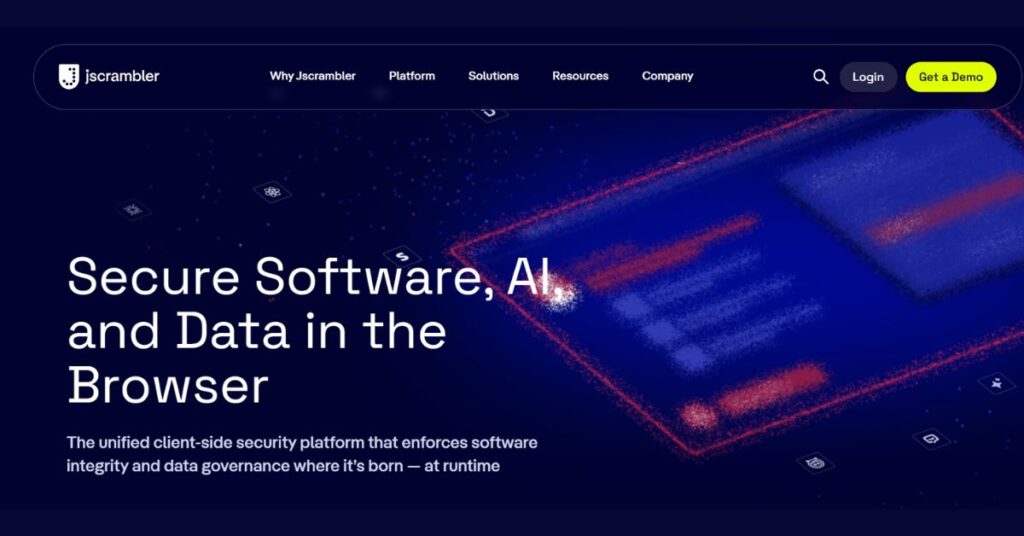
Jscrambler is a code protection platform designed specifically for JavaScript applications. It helps developers secure client-side code that is exposed in web browsers and can be easily inspected by users.
The platform uses advanced obfuscation and anti-tampering techniques to make code harder to copy, modify, or misuse. It is commonly used by organizations building web applications that handle sensitive data or business-critical functionality.
Key Features of Jscrambler:
- Delivers polymorphic JavaScript obfuscation against reverse engineering
- Provides runtime protection for client-side applications
- Secures proprietary code from AI-assisted analysis
- Prevents code tampering through self-defending mechanisms
- Detects threats with real-time monitoring capabilities
- Enables code execution restrictions using code locks
- Strengthens licensing enforcement across authorized environments
- Protects webpages against skimming and supply-chain attacks
- Supports PCI DSS compliance through integrity controls
- Integrates security signals with fraud detection platforms
Pro and cons of Jscrambler:
Pros
- Delivers enterprise-grade protection for JavaScript applications
- Reduces risks from reverse engineering attempts
- Improves resilience against client-side cyber threats
- Enables real-time detection of malicious activities
- Strengthens compliance with modern security regulations
- Supports advanced protection without impacting usability
- Facilitates integration with existing security ecosystems
Cons
- Requires technical expertise for successful deployment
- Presents onboarding challenges for less experienced teams
- Creates complexity through extensive configuration options
- Depends on specialized knowledge for optimization
Jscrambler Pricing & Plans: Price on request
Conclusion
Software security is not something businesses can afford to overlook. It isn’t something they need to stress over much either. For, by choosing the right code obfuscation software, developers can better protect their code, reduce security risks, and release software with ease.
What are you waiting for then? Give the Techjockey team a call today itself and get an obfuscator for your team right away!


Written by
Yashika Aneja

Yashika Aneja is a Senior Content Writer at Techjockey, with over 5 years of experience in content creation and management. From writing about normal everyday affairs to profound fact-based stories on wide-ranging themes, including environment, technology, education, politics, social media, travel, lifestyle so on and so forth, she... Read more
 Previous