


If you think doctors and nursing staffers are enough to run a hospital, you, my friend, are in for a big surprise. For without medical supplies like medicines, syringes, IV fluids so on and so forth, even the best healthcare professionals can only do so much.
This makes it imperative for healthcare facilities to maintain the right levels of medical stock at all times, so they don’t run out of supplies when in need or worse, overstock them, only for things to get expired and go to waste. Not to mention the unnecessary costs and storage issues that follow if latter’s the case.
With hospital inventory management software, however, hospitals get to monitor their inventory levels in real time and prevent potential problems from becoming major issues later.
Let’s thus explore some of the leading hospital stock management systems available in the market today, so no healthcare centre has to go through stock shortages or overflowing storage rooms ever again.
What is HIMS Software?
Hospital inventory management software, as the name implies, is a healthcare solution that helps hospitals keep track of and control their inventory in a better way. So, even something as minor as a mask gets accounted for and be tracked throughout its lifecycle.
The software is also programmed to help hospitals monitor stock movement, track expiry dates, and maintain optimal inventory levels across departments. This makes certain the staff spends less time counting stock and more time focusing on patients.
List of 10 Best Hospital Inventory Management Software
All the leading hospital inventory systems are listed below for your understanding…
| Software | Best For | Deployment | Inventory Strength | Standout Feature | Pricing |
|---|---|---|---|---|---|
| e-Sushrut Clinic | Clinics, nursing homes & labs | Cloud | Pharmacy stock management | ABDM-enabled platform with ABHA integration | Custom Quote |
| Caresoft HIS | Multi-specialty hospitals | Enterprise | Department-wise inventory tracking | Unified management across OT, pharmacy, lab, and wards | Custom Quote |
| MocDoc HMS | Hospitals & diagnostic centres | Cloud | Pharmacy and purchase management | Strong patient engagement and communication tools | Starts from INR 3,50,000 |
| Dataman Aarogya | Small and mid-sized hospitals | On-premises/Cloud | Medicine and inventory control | Expiry tracking and supplier management | Custom Quote |
| Medinous | Large healthcare groups | Enterprise | Inventory and asset management | 18+ integrated hospital modules | Custom Quote |
| Datamate Mediware | Hospitals seeking automation | Enterprise | Procurement-to-consumption tracking | Connected clinical, financial, and inventory workflows | Custom Quote |
| Ezovion HMS | Hospital chains | Cloud | Supply chain and inventory management | Built-in SCM, CRM, and revenue cycle management | Custom Quote |
| Docpulse Hospital Management Software | Multi-location providers | Cloud | Pharmacy inventory monitoring | Telemedicine and digital healthcare support | Custom Quote |
| Miracle HIS | Digitally transforming hospitals | On-premises/Cloud | Centralized inventory control | Integrated EMR, pharmacy, lab, and inventory management | Custom Quote |
| MedoNext HMS | Hospitals seeking automation | Cloud | Automated stock monitoring | Smart inventory alerts and AI-driven workflows | Custom Quote |
Let’s take a comparative look at them, one hospital inventory management tool at a time…
1. e-Sushrut Clinic: Best for Clinics, Nursing Homes & labs
Developed as part of India’s digital healthcare push, e-Sushrut Clinic helps clinics, pharmacies, and labs keep track of medicines and supplies while also handling core healthcare operations.
The platform’s biggest advantage is its support for ABDM and ABHA integration, which makes it ideal for healthcare providers who wish to digitize inventory management while staying connected to India’s growing digital health ecosystem.
Key Features of e-Sushrut Clinic:
- Tracks medicine stock across hospital pharmacies and departments
- Links inventory usage with patient care, billing, and pharmacy workflows
- Stores stock data in a centralized database for easier monitoring
- Provides real-time reports and dashboards to monitor resource usage
- Connects pharmacy management with other hospital departments
- Supports barcode and QR-based tracking for faster identification and processing
- Works across multiple hospitals through a centralized platform
Pros
- Keeps pharmacy and inventory data updated in a single system
- Helps staff track medicine movement more efficiently
- Brings inventory, billing, and patient records together
- Makes stock monitoring easier through dashboards and reports
- Handles inventory needs across large hospitals and healthcare networks
- Reduces paperwork and errors by digitizing inventory
Cons
- Targets complete hospital operations rather than inventory management alone
- Lacks inventory-specific tools such as demand forecasting or expiry prediction
- Needs hospital-wide implementation before inventory teams see full benefits
- Requires staff training for optimal use
e-Sushrut Clinic Pricing & Plans: Price on request
2. Caresoft HIS: Best for multi-speciality hospitals
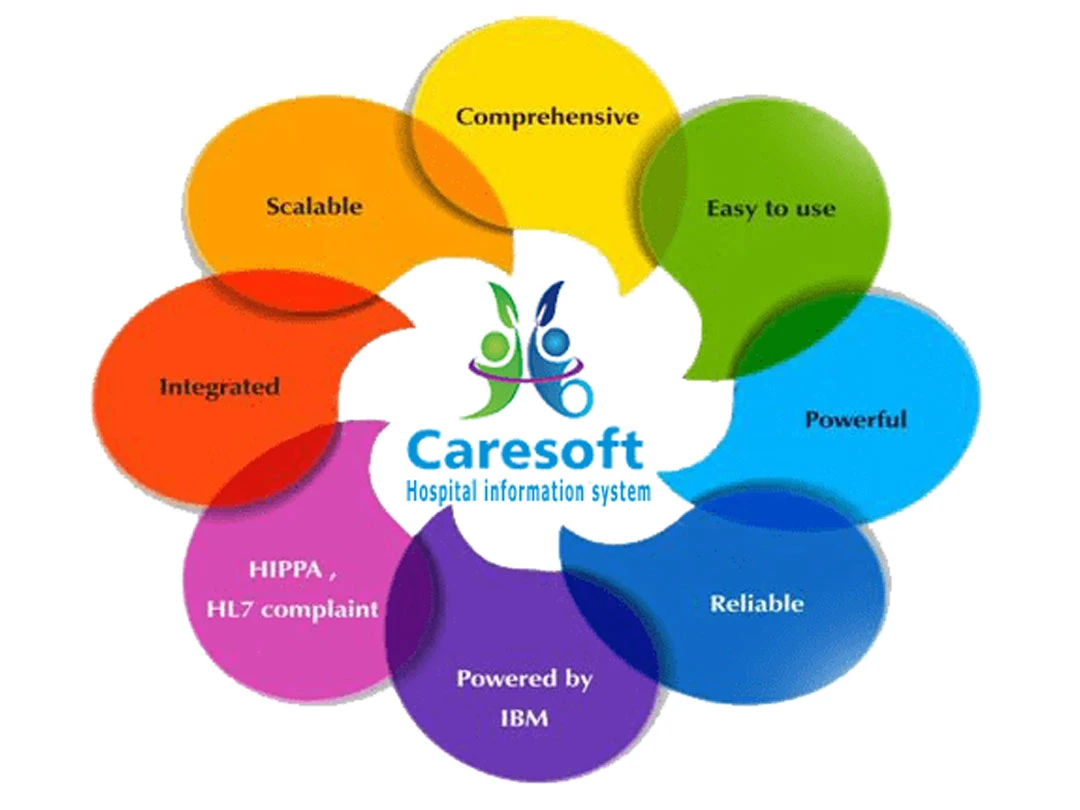
Caresoft HIS is designed for hospitals where inventory is constantly moving between departments. Be it is medicines in the pharmacy, supplies in the operation theatre, or laboratory consumables, the software helps keep everything connected through a single system. Because different departments work on the same platform, hospitals get a clearer picture of stock usage and can avoid shortages that disrupt patient care.

Caresoft HIS
Starting Price
Price on Request
Key Features of Caresoft HIS:
- Unifies inventory, pharmacy, billing, and clinical operations on a single platform
- Monitors stock movement across departments
- Integrates inventory records with finance and billing modules for smoother tracking
- Supports equipment, medicine, and consumable management within the same system
- Delivers real-time dashboards and MIS reports to keep an eye on stock usage
- Facilitates barcode-enabled tracking for faster identification and processing
- Accommodates multi-centre deployments
- Allows integration with tools like Tally and other third-party systems
Pros
- Eliminates the need to manage inventory through separate software
- Offers a clearer view of stock consumption
- Strengthens coordination between stores, pharmacy, accounts, and clinical departments
- Handles inventory requirements alongside broader hospital management needs
- Simplifies decision-making with built-in analytics and reporting tools
- Adapts well to organizations operating multiple hospitals
Cons
- Limits access to some advanced capabilities unless higher plans are selected
Caresoft HIS Pricing & Plans: Price on request
3. MocDoc HMS: Best for Hospitals & diagnostic centres
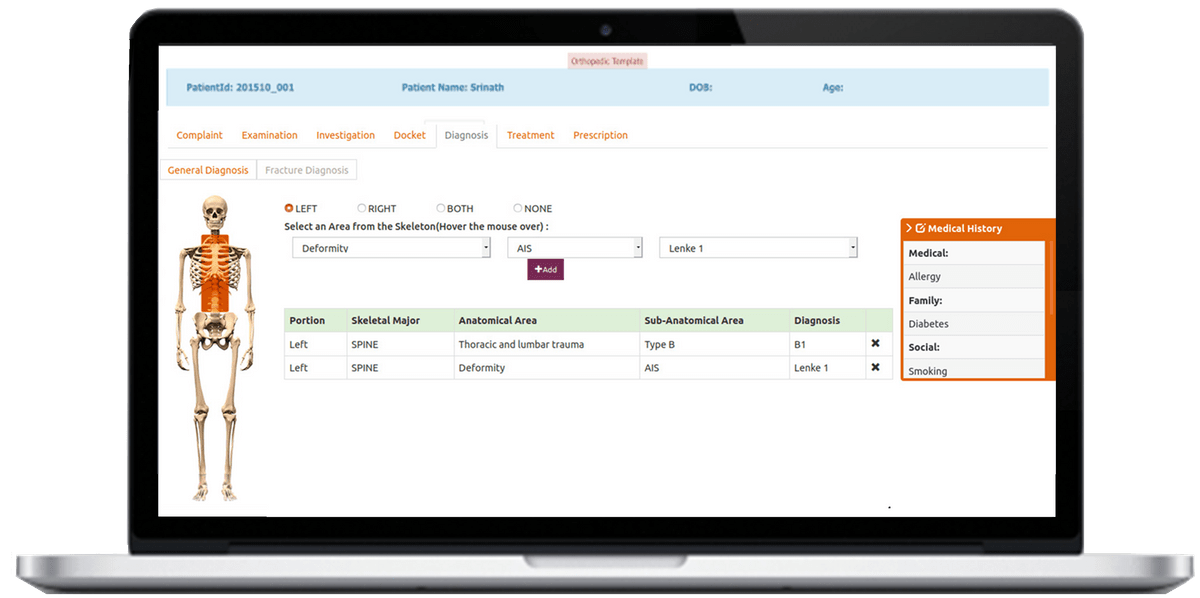
MocDoc HMS is a cloud-based healthcare solution that balances inventory management with patient care. Apart from helping hospitals keep an eye on medicine stock and pharmacy inventory, it also offers features such as online appointment booking, patient portals, and doctor scheduling. This combination makes it particularly appealing to healthcare facilities looking to improve both operational efficiency and the overall patient experience.
Key Features of MocDoc HMS:
- Keeps inventory, pharmacy, and procurement information connected in one system
- Tracks medicine usage as patients are treated
- Brings purchasing, dispensing, and billing activities together to reduce tracking gaps
- Shows inventory status through live dashboards and operational reports
- Allows pharmacy teams to follow stock movement without relying on manual registers
- Handles inventory across multiple hospital branches from a centralized platform
- Matches stock records with financial transactions for better control over spending
Pros
- Prevents departments from working with separate stock records
- Makes medicine and supply consumption easier to monitor
- Gives administrators a clearer picture of inventory-related costs
- Works well when pharmacy, billing, and inventory teams need shared information.
- Cuts down manual tracking through automation
- Adapts well to hospitals handling large patient volumes
Cons
- Is not very beginner friendly
- Demands user training across departments
MocDoc HMS Pricing & Plans:
| Plan | Price |
|---|---|
| Starter | INR 3,50,000 |
| Growth | INR 8,00,000 |
| Advanced | INR 15,50,000 |
| Ultimate | Price on request |
4. Dataman Aarogya: Best for small and mid-sized hospitals
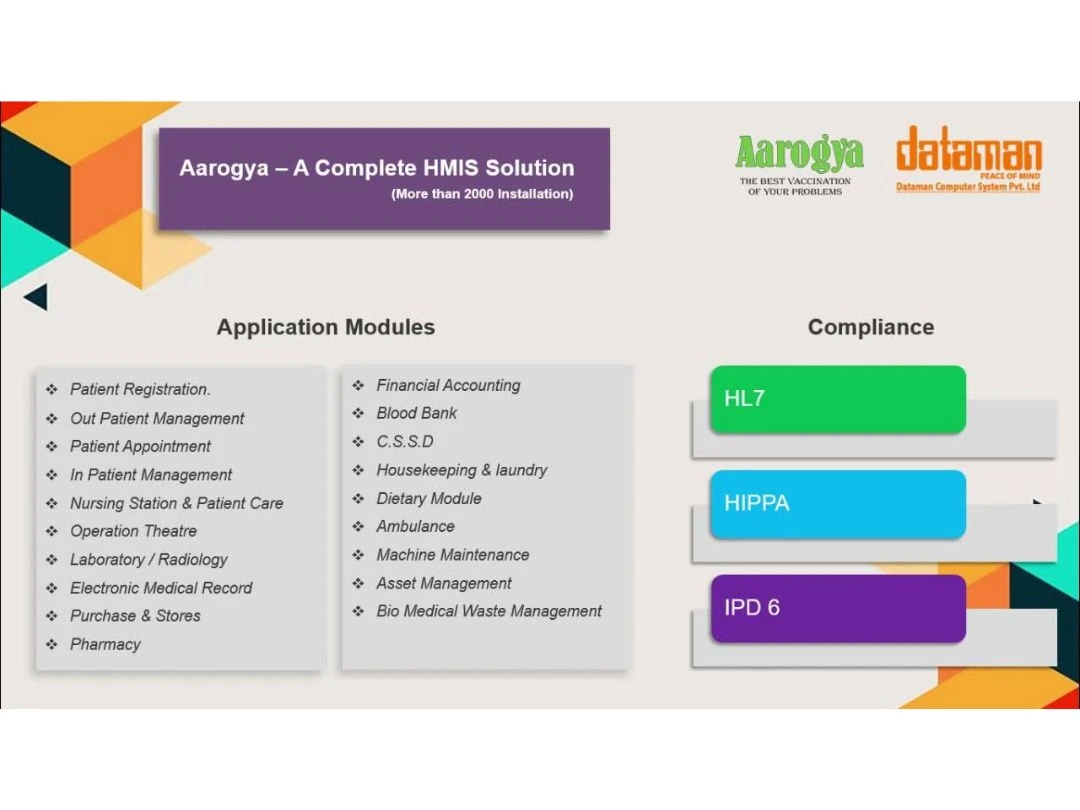
When it comes to stock and pharmacy control, Dataman Aarogya is one of the strongest options available. The software helps hospitals monitor inventory levels, manage suppliers, track medicine expiry dates, and handle purchases more effectively.
For healthcare facilities that frequently struggle with excess stock, stockouts, or inventory wastage, it offers the kind of visibility needed to keep supplies under control.
Key Features of Dataman Aarogya:
- Controls medicine stocks, consumables, and inventory from a single dashboard
- Tracks stock levels in real time, helping hospitals avoid shortages
- Connects inventory data with pharmacy, billing, and purchasing modules
- Automates purchase and inventory workflows to reduce manual work
- Handles pharmacy stock management alongside day-to-day hospital operations
- Stores inventory records within the same system used for patient care and finance
- Supports hospitals of different sizes, from small nursing homes to large multi-specialty facilities
- Provides detailed reports to help monitor stock usage and resource planning
Pros
- Eliminates the need to maintain separate inventory systems
- Gives hospitals better control over medicine and supply usage
- Prevents data duplication by sharing information across departments
- Suits both standalone hospitals and growing healthcare chains
- Improves visibility into inventory movement through centralized reporting
Cons
- Demands training for teams moving from manual inventory tracking
Dataman Aarogya Pricing & Plans: Price on request
5. Medinous: Best for large healthcare groups

Medinous is built with large hospitals in mind. Instead of focusing only on medicine inventory, it helps healthcare organizations manage everything from medical equipment and consumables to procurement and asset tracking. This makes it especially useful for multi-specialty hospitals where inventory is spread across several departments and maintaining visibility can otherwise become a challenge.

Medinous
Starting Price
Price on Request
Key Features of Medinous:
- Maintains inventory records for medicines, consumables, and hospital supplies in one system
- Integrates inventory activities with pharmacy, billing, and finance functions
- Tracks stock movement across departments to improve control
- Supports multi-location hospitals that need centralized inventory oversight
- Provides access to inventory information alongside patient and operational data
- Includes pharmacy management as part of the wider hospital platform
- Reduces dependence on paper-based stock records
- Offers reporting tools to help monitor resource usage and inventory performance
Pros
- Brings inventory, pharmacy, and finance teams onto the same platform
- Prevents information from getting scattered across different systems
- Gives hospitals a clearer view of stock usage
- Handles inventory needs alongside everyday hospital operations
- Supports larger healthcare groups with multiple facilities
- Improves coordination between stores, pharmacy, and accounts departments
Cons
- Appears heavier than dedicated inventory software for smaller facilities
Medinous Pricing & Plans: Price on request
6. Datamate Mediware: Best for hospitals seeking automation

Datamate Mediware takes a connected approach to inventory management. Rather than treating inventory as a separate function, it links stock movement directly with pharmacy activities, laboratory operations, procurement processes, and financial records. This helps hospitals exercise better control over supplies and make more accurate purchasing decisions.
Key Features of Datamate Mediware:
- Unifies inventory, pharmacy, finance, and clinical operations on a single platform
- Monitors medicine stocks and hospital supplies alongside daily hospital activities
- Coordinates inventory records with billing and pharmacy transactions for better control
- Includes dedicated pharmacy management tools for dispensing and stock handling
- Organizes inventory and asset-related information within the wider hospital ecosystem
- Connects laboratory, blood bank, radiology, pharmacy, and finance departments through shared data
- Delivers enterprise-wide access to information for quicker inventory-related decisions
- Supports both cloud and on-premises deployments based on hospital requirements
Pros
- Eliminates the hassle of managing inventory through separate systems
- Creates better visibility into medicine consumption and stock movement
- Strengthens coordination between stores, pharmacy, accounts, and clinical teams
- Handles inventory as part of a larger hospital workflow rather than as a disconnected function
- Accommodates large hospitals that deal with high volumes of supplies and transactions
- Reduces manual effort through end-to-end process automation
Cons
- Demands proper onboarding before staff can use all modules comfortably.
Datamate Mediware Pricing & Plans: Price on request
7. Ezovion HMS: Best for hospital chains

Ezovion HMS goes a step further by combining inventory management with complete supply chain management. Hospitals can manage vendors, procurement, stock replenishment, purchasing, and inventory movement from the same platform they use to manage patient care. This makes it particularly valuable for hospital chains and healthcare groups that need tighter control over supplies across multiple locations.

Ezovion HMS
Starting Price
Price on Request
Key Features of Ezovion HMS:
- Balances hospital inventory, pharmacy, billing, and patient care on a single platform.
- Follows stock movement across departments, helping staff know what is available and what needs replenishment.
- Integrates inventory records with pharmacy and procurement activities.
- Maintains centralized stock information across multiple hospital locations.
- Displays inventory and operational data through reports and analytics dashboards.
- Supports inventory and asset management alongside clinical workflows.
- Extends inventory visibility to finance, pharmacy, and billing teams.
- Accommodates hospitals that require centralized stock control across departments and branches.
Pros
- Prevents stock information from getting scattered across different systems.
- Creates better coordination between stores, pharmacy, and accounts teams.
- Delivers a broader picture of inventory usage by linking it with hospital operations.
- Fits healthcare groups managing inventory across multiple facilities.
- Minimizes manual stock tracking through automation and centralized records.
- Strengthens inventory control by keeping purchasing, dispensing, and billing connected.
Cons
- Centers more on complete hospital management than inventory management alone.
- Demands proper setup before inventory workflows are fully optimized.
- Appears more extensive than what small clinics typically need.
- Requires staff training to make the most of its different modules.
- Leaves pricing available only through direct discussions with the vendor.
Ezovion HMS Pricing & Plans: Price on request
8. Docpulse Hospital Software: Best for multi-location Providers
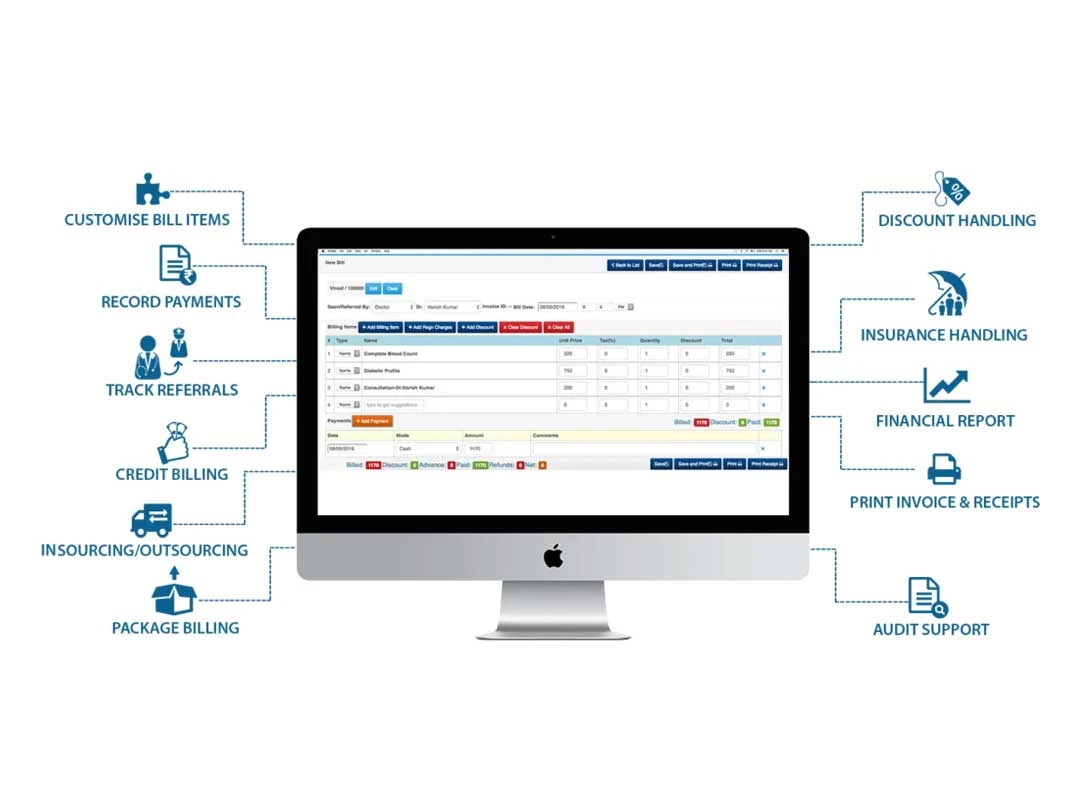
Docpulse Hospital Software brings inventory management and digital healthcare together under one roof. Hospitals can track stock levels, manage pharmacy inventory, and oversee purchases while also offering services such as telemedicine and online consultations.
For healthcare providers trying to modernize both inventory control and patient engagement thus, it offers the best of both worlds.
Key Features of Docpulse Hospital Management Software:
- Maintains a live view of medicines, consumables, and supplies across stores and departments
- Displays stock availability instantly, so staff can check inventory without manual verification
- Records medicines, supplies, batches, and supplier details in a centralized database
- Enables digital stock requests and approvals instead of paper forms and phone calls
- Tracks every item movement with complete history and audit trails
- Flags low-stock situations early through automated alerts
- Monitors pending requests, fulfilled orders, and inventory usage from one dashboard
- Links inventory management with pharmacy and broader hospital operations
Pros
- Prevents last-minute stock shortages through real-time inventory visibility
- Removes the guesswork from stock tracking and replenishment
- Gives multi-branch hospitals a single view of inventory across locations
- Improves accountability by recording who requested, approved, and issued stock
- Reduces dependence on manual stock registers
Cons
- Centers on hospital workflows, so some organizations may use only a portion of the platform
- Requires consistent stock updates to maintain accurate inventory records
- Requires staff adoption of digital request and approval processes
- Appears more suitable for healthcare organizations than general inventory users
Docpulse Hospital Management Software Pricing & Plans: Price on request
9. Miracle HIS: Best for digitally transforming hospitals

Miracle HIS is an integrated hospital management system that treats inventory as a core part of hospital operations rather than an add-on feature. It helps facilities track medicine usage, monitor stock levels, manage procurement, and control supply costs while keeping departments such as pharmacy, laboratory, radiology, and finance connected.
This helps hospitals make more informed inventory decisions without working through disconnected systems.
Key Features of Miracle HIS:
- Oversees medicine stocks, consumables, and supplies alongside daily hospital operations
- Connects inventory records with pharmacy, billing, and procurement activities
- Displays stock-related information through live dashboards and reports
- Tracks inventory movement across departments from a centralized system
- Supports supply chain and pharmacy management within the broader HIS platform
- Maintains a shared database so different teams work with the same inventory information
- Accommodates multi-facility hospitals that need inventory visibility across locations
- Aligns stock usage with patient care, finance, and operational workflows
Pros
- Prevents inventory information from being scattered across separate systems
- Gives administrators better visibility into stock consumption and resource usage
- Combines inventory control with pharmacy and financial operations
- Handles inventory needs at the same scale as other hospital functions
- Supports large healthcare organizations with multiple departments and facilities
- Strengthens decision-making through real-time reports and dashboards
Cons
- Necessitates training across departments during implementation
Miracle HIS Pricing & Plans: Price on request
10. MedoNext HMS: Best for hospitals seeking automation
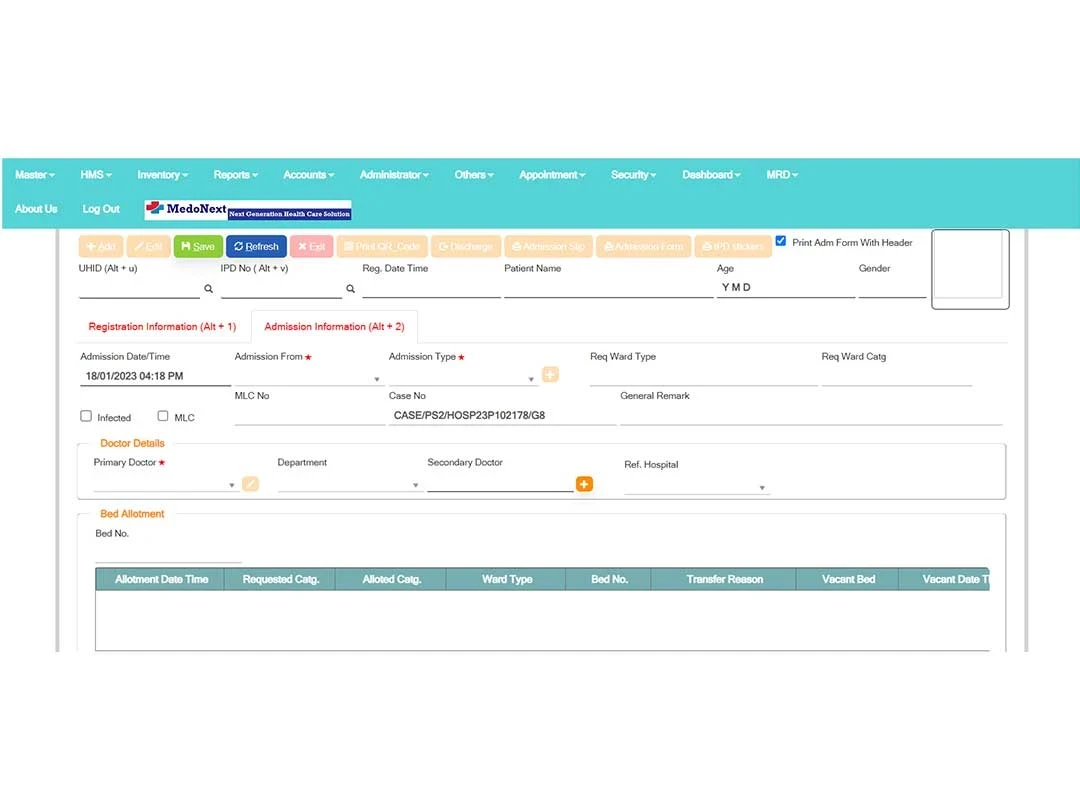
MedoNext HMS is designed for hospitals that want to spend less time checking stock and more time acting on it. Its smart inventory alerts, automated stock monitoring, and real-time inventory visibility help healthcare facilities identify shortages before they become problems. For hospitals looking to move away from manual inventory checks, it offers a much more efficient way to stay on top of supplies.

MedoNext HMS
Starting Price
₹ 2000.00 excl. GST
Key Features of MedoNext HMS:
- Monitors medicines, consumables, and equipment through a centralized inventory system
- Flags low-stock situations before they become supply problems
- Automates reordering with built-in stock alerts and inventory controls
- Tracks batches and expiry dates to reduce medicine wastage
- Combines pharmacy, inventory, billing, and clinical workflows on one platform
- Supports barcode-based pharmacy operations for faster dispensing
- Connects inventory data with laboratory and pharmacy systems in real time
- Presents inventory insights through reports and management dashboards
Pros
- Avoids stock shortages with automatic alerts and reorder support
- Improves stock visibility across departments without relying on manual registers
- Simplifies pharmacy inventory management through batch and stock controls
- Keeps inventory information connected with billing and patient services
- Serves both small hospitals and large healthcare facilities through scalable modules
- Minimizes wastage by highlighting expiring inventory before it goes unused
Cons
- Requires teams to adopt digital workflows for maximum benefit
- Demands setup and configuration before inventory processes run smoothly
MedoNext HMS Pricing & Plans: Price on request
Conclusion
A hospital’s stock room is probably the last thing one might find intriguing, but it is still the most challenging area to manage. If left unattended, it can lead to losses no healthcare facility would want to deal with.
So, find the right hospital inventory system for your facility while there’s still time and bring more order and control to your stock management. For prevention is any day better than cure.
If you need any sort of help while at it, please know that the Techjockey product team is just a call away! One call is all it takes.
FAQs on Hospital Inventory Management Software
How to manage hospital inventory?
Managing hospital inventory involves tracking medicines, medical equipment, and consumables regularly. Hospitals should monitor stock levels, track expiry dates, maintain supplier records, and set minimum stock limits. Using inventory management software further automates these tasks, reduces wastage, and prevents stock shortages.
What is the best software for hospital inventory management?
Some of the popular hospital inventory management solutions include e-Sushrut Clinic, Caresoft HIS, MocDoc HMS, Dataman Aarogya, and Medinous. The right choice depends on hospital size, inventory requirements, budget, and integration needs.
What are the key features of hospital inventory management software?
Some of the key features of hospital inventory management software include: Real-time inventory tracking, Medicine batch and expiry date management, Automated low-stock alerts, Purchase and supplier management, Barcode and QR code scanning, Inventory reports and analytics, Multi-location stock management, HMS, pharmacy, and billing integration
How does hospital inventory software help prevent stock shortages and overstocking?
Hospital inventory software tracks stock levels in real time and sends alerts whenever supplies fall below predefined limits. It also analyzes stock consumption and purchasing patterns, helping hospitals order the right quantities, avoid unnecessary purchases, and reduce expiry-related wastage.
Can Hospital Inventory Management Software integrate with HMS, pharmacy, and billing systems?
Absolutely! Most modern hospital inventory solutions can integrate with HMS, pharmacy, billing, and accounting systems. This keeps stock records updated automatically whenever medicines are dispensed, supplies are consumed, or purchases are made, reducing manual work and data discrepancies.
How much does Hospital Inventory Management Software cost?
In India, hospital inventory management software can cost anywhere between ₹20,000 and ₹5,00,000+, depending on hospital size, number of users, features, and deployment requirements. Basic solutions are relatively affordable, while enterprise-level systems may cost more than ₹5 lakh.


Written by
Shobhit Kalra

Shobhit Kalra boasts an impressive 12 years of diverse experience across industries, including Digital Media, Digital Marketing and Healthtech. He has a proven track record of creating engaging and impactful content that resonates with readers. In his journey with Techjockey, he has been given the responsibility of crafting... Read more
 Previous