USA
USA UAE
UAE
SuperProcure
Whats great - The support given by the team is very useful and effective read more



Brand: Span Enterprises
Have you used TruckLogics before?
Share your insights for better experience
Brand: Span Enterprises
Founded Year: 2000
SPAN Enterprises is a privately-held company specializing in the development of web-based products. From its headquarters in Rock Hill, Sc
Core Functionalities
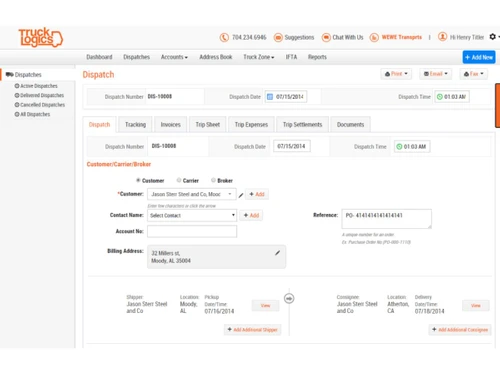
 Order Management Dispatch Management Transportation Management Route Management Logistics Management Load Management Freight Management Fleet Management Inventory Management Warehouse Management Reverse Logistics Carrier Management
 Financial and Accounting Management
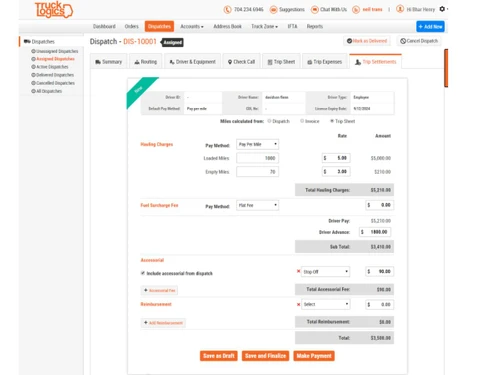
Billing & Invoicing Financial Management Accounts Payable Accounts Receivable Expense Management MIS Reports Budgeting And Forecasting Audit Management Freight Auditing Vehicle and Driver Management
Fuel Management Driver Management Delivery Tracking Vehicle Maintenance Fleet Operations Tire Management Container Load Optimization Driver Behavior Monitoring GPS Tracking Supply Chain Management
Shipment Tracking Supply Chain Collaboration Distribution Management Hub Operations Procurement Management Cross Docking Task and Project Management
Document Management Task Management Project Management Workflow Management HR and Payroll Management
Employee Management Payroll Management Leave Management Time and Attendance Compliance and Security
Compliance Management Data Encryption Electronic Documentation Audit Trail Two-Factor Authentication (2FA) GDPR Compliant E Way Bill Integration Integrations
Email & SMS Integration Third Party Integration Electronic Logging Device (ELD) Integration API Integration EDI Integration 3PL Management Customizable Workflows Warehouse Management System (WMS) Integration Analytics and Reporting
Performance Metrics Dashboards Compliance Reporting Administrative Features
User Access Management Cloud and Mobile Access Booking and Reservations Alerts And Notifications
Custom Alerts Delivery Confirmation Alerts Automatic Triggers Incident Notifications Driver Performance Alerts Real-Time GPS Location 

Watch the demo video to explore key features, real workflows, and how the software fits your business needs.
 Windows
  iOS
iOS  Android MacOS
  Desktop
  Mobile
  Tablet
  iPad
iPad  Cloud-Based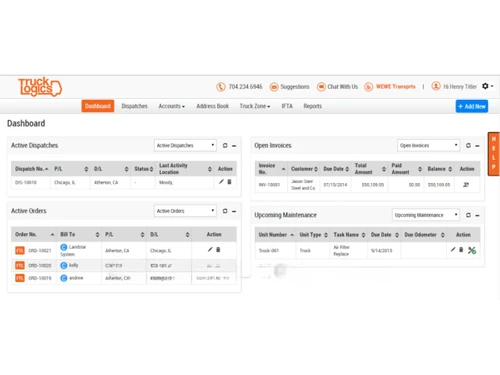
Techjockey Trusted Reviews from Verified Users
No reviews are currently available for TruckLogics. Discover similar Transport Management Software reviews
SuperProcure
Whats great - The support given by the team is very useful and effective read more

Sahiwala TMS
Whats great - Apps contain Like LR, Delivery Challan for Drivers, Monthly Billing, Discovery feature is Active Reports like Daily 'To Pa... read more

truePilot
Whats great - Affordable and easy to use, making it a practical choice for small businesses looking to manage and display customer feedback... read more
20,000+ Software Listed
Best Price Guranteed
Free Expert Consultation
2M+ Happy Customers
Terms and Condtions

Users with registered businesses can purchase goods from merchants on the platform to satisfy their business needs. Users are not permitted to utilize any products acquired through the platform for resale, advertising, business, or further distribution.
For each purchase made, users will receive a Tax Invoice (or 'GST invoice') that includes specific details such as:
the GSTIN of the user associated with their registered business, and
the specified Entity Name for their business.
It should be noted that not all products are eligible for GST Invoice. Only the products displayed by participating sellers with the 'GST-based Invoice Available' callout on the product description page would qualify.
Certain goods and services are not eligible to get a GST Invoice, including items with VAS, i.e., Value Added Services (e.g., Total Mobile Protection/Assured Buyback) and those involving an exchange offer at the time of purchase.
Users must ensure the accuracy of the GSTIN, and business entity name provided for the GST Invoice. Requests for corrections into GST Invoice would not be accommodated by Techjockey.com or any Seller, and any issues arising from user-provided information are the sole responsibility of users.
Techjockey.com is not liable for the GST Invoice or any associated input tax credit. To efficiently claim an input tax credit, users should select the registered place of business address as per the GST authority's data and follow the provisions of the GST Act and rules.
To claim an input tax credit, the delivery and billing addresses must match. Furthermore, input tax credits will not be granted if the delivery address and GSTIN on the invoice are from different states. In case of incorrect GST details provided during the order placement, the order will be canceled automatically.