USA
USA UAE
UAE


Small Business
Designed for startups and growing businesses

See More


Brand: Microsoft Corporation
Microsoft Windows Server helps organizations drive productivity with a secure, flexible server platform for hybrid, multicloud, and on-premises infrastructure.
See MoreHave you used Microsoft Windows Server before?
Share your insights for better experience
Brand: Microsoft Corporation
Founded Year: 1975
Microsoft Corporation is an American multinational technology company with headquarters in Redmond, Washington.
Looking for The Right Pricing?
Share your requirements and get a plan built around your business.
Price Available on Request
Get personalised Microsoft Windows Server pricing that fits your needs. Our team will connect with you.
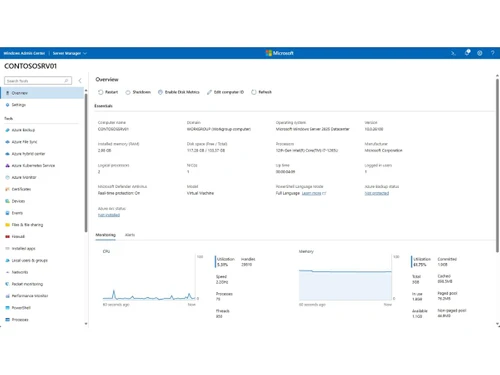
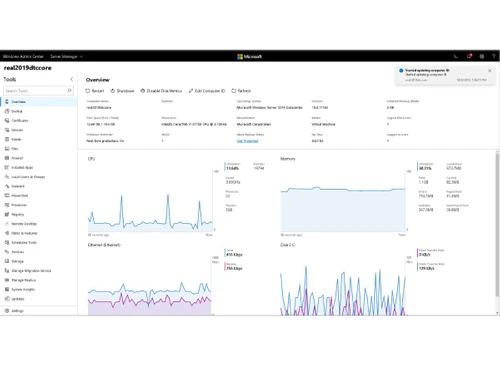
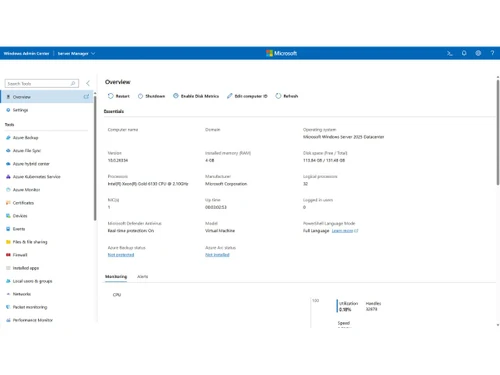
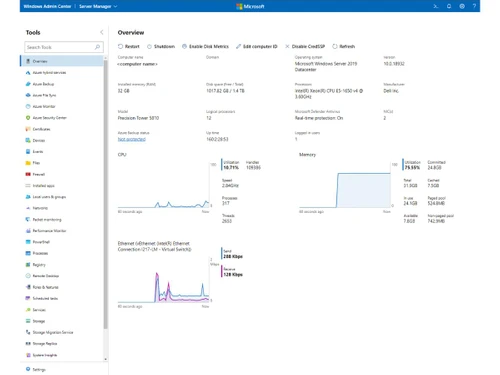
 Hyper-V Virtualization Hybrid Cloud Integration Scalable Infrastructure Active Directory Services Container Support Network Management High Availability & Failover Storage Optimization Virtual Machine Support Windows Admin Center Flexible Deployments Server Security Data Storage Alerts
  Windows
  Desktop
  Tablet
  Cloud-Based
  Perpetual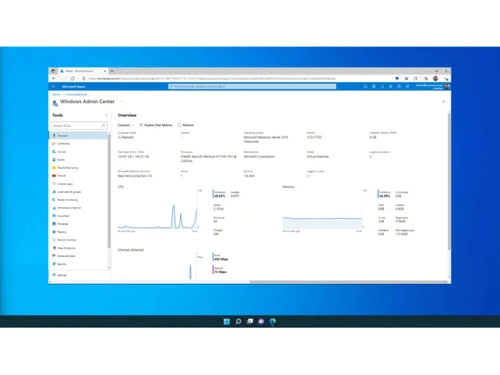
Small Business
Designed for startups and growing businesses
Medium Business
Built for business growth and flexibility
Enterprises
Designed for complex and large-scale business needs
4.0
Out of 5

Overall Rating
Based on
4 Verified Ratings
Rating Breakdown
92% Recommend this Product
Add ReviewTechjockey Trusted Reviews from Verified Users
No reviews are currently available for Microsoft Windows Server. Discover similar Server Solution reviews

Royal Server
Whats great - It's highly recommended to use Royal Server and install it in the same environment where the machines you want to manage are ... read more

HostyCare VPS Server
Whats great - I admire hosty care customer supports they help me a lot for choosing reliable & affordable hosting for my business they also... read more

NGINX Plus
Whats great - With a second, containerized private cloud, we had to ensure minimal impact and downtime to our existing ticketing solution. ... read more
Microsoft Windows Server
Price On Request
Desktop
Mobile
Web based
On Premises
Windows
Mac OS

WinSvrSTDCore 2019 SNGL OLP 16Lic NL CoreLic
Price On Request
Desktop
Mobile
Web based
On Premises
Windows
Mac OS

RemoteOS
Price On Request
Desktop
Mobile
Web based
On Premises
Windows
Mac OS

AVG Email Server
₹ 731
Desktop
Mobile
Web based
On Premises
Windows
Mac OS
Royal Server
₹ 5536
Desktop
Mobile
Web based
On Premises
Windows
Mac OS

Swiftproxy
Price On Request
Desktop
Mobile
Web based
On Premises
Windows
Mac OS

DCImanager
₹ 946
Desktop
Mobile
Web based
On Premises
Windows
Mac OS
NGINX Plus Web Server
Price On Request
Desktop
Mobile
Web based
On Premises
Windows
Mac OS

GoDaddy Windows Server
Price On Request
Desktop
Mobile
Web based
On Premises
Windows
Mac OS

Suse Linux Enterprise
Price On Request
Desktop
Mobile
Web based
On Premises
Windows
Mac OS

VMware vSphere 6 Essentials Plus Kit
Price On Request
Desktop
Mobile
Web based
On Premises
Windows
Mac OS
(0) Product(s) selected
Available
Price on Request
Starting Price:
₹946 /Month
Available
Price on Request

Available
Price on Request
Yes, it can. Microsoft Windows Server Standard MOLP is a server solution that sends alerts whenever it detects a security threat.
Product licenses do not expire. They are valid for as long as you own the product.
Yes, Microsoft Windows Server Standard MOLP does provide data security options. It is meant to provide optimum data security to all its users.
Yes, you do need a Standard CAL (Client access licenses) to avail its facilities and many benefits.
Yes, you will get a demo of Microsoft Windows Server Standard MOLP.
Windows Server is a server operating system designed to provide the foundation for an organization's on-premises, hybrid, and multicloud infrastructure. It is used for managing networks, hosting applications and websites, virtualization with Hyper-V, and managing user identities with Active Directory.
Windows Server is built to manage and provide services for multiple users, networks, and corporate infrastructure, while the standard Windows operating system is designed for individual user desktops and personal productivity tasks.
Yes, Windows Server is actively used and continuously developed, with the latest version being Windows Server 2025. It provides modern infrastructure with multilayered security and cloud agility for businesses of all sizes.
No, Windows Server is a commercial product that requires a license and is not free, though a free trial is available.
Microsoft Windows Server pricing details are available on request on techjockey.com.
Connecting Windows Server to Azure Arc extends cloud innovations to your on-premises datacenter, enabling services like hotpatching to minimize reboots, access to additional management services, and a pay-as-you-go pricing option.
Windows Server includes the Hyper-V role for robust hardware-based virtualization, allowing you to create and manage virtual machines with advanced capabilities like GPU partitioning and failover clustering for efficient hardware utilization.
Windows Server 2025 improves the scale and performance of Active Directory Domain Services by offering a new domain controller that utilizes a 32,000-page database.
Windows Server includes enhanced networking capabilities to save time, such as Network ATC for one-click host network configuration and Network HUD for always-on alerting and remediation of network issues.
Microsoft Windows Server is ideal for system administrators, IT managers, developers, businesses of all sizes, and organizations in regulated industries that require secure, scalable server infrastructure.
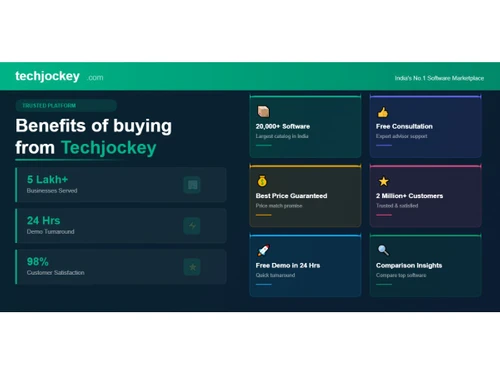
20,000+ Software Listed
Best Price Guranteed
Free Expert Consultation
2M+ Happy Customers
Terms and Condtions

Users with registered businesses can purchase goods from merchants on the platform to satisfy their business needs. Users are not permitted to utilize any products acquired through the platform for resale, advertising, business, or further distribution.
For each purchase made, users will receive a Tax Invoice (or 'GST invoice') that includes specific details such as:
the GSTIN of the user associated with their registered business, and
the specified Entity Name for their business.
It should be noted that not all products are eligible for GST Invoice. Only the products displayed by participating sellers with the 'GST-based Invoice Available' callout on the product description page would qualify.
Certain goods and services are not eligible to get a GST Invoice, including items with VAS, i.e., Value Added Services (e.g., Total Mobile Protection/Assured Buyback) and those involving an exchange offer at the time of purchase.
Users must ensure the accuracy of the GSTIN, and business entity name provided for the GST Invoice. Requests for corrections into GST Invoice would not be accommodated by Techjockey.com or any Seller, and any issues arising from user-provided information are the sole responsibility of users.
Techjockey.com is not liable for the GST Invoice or any associated input tax credit. To efficiently claim an input tax credit, users should select the registered place of business address as per the GST authority's data and follow the provisions of the GST Act and rules.
To claim an input tax credit, the delivery and billing addresses must match. Furthermore, input tax credits will not be granted if the delivery address and GSTIN on the invoice are from different states. In case of incorrect GST details provided during the order placement, the order will be canceled automatically.